
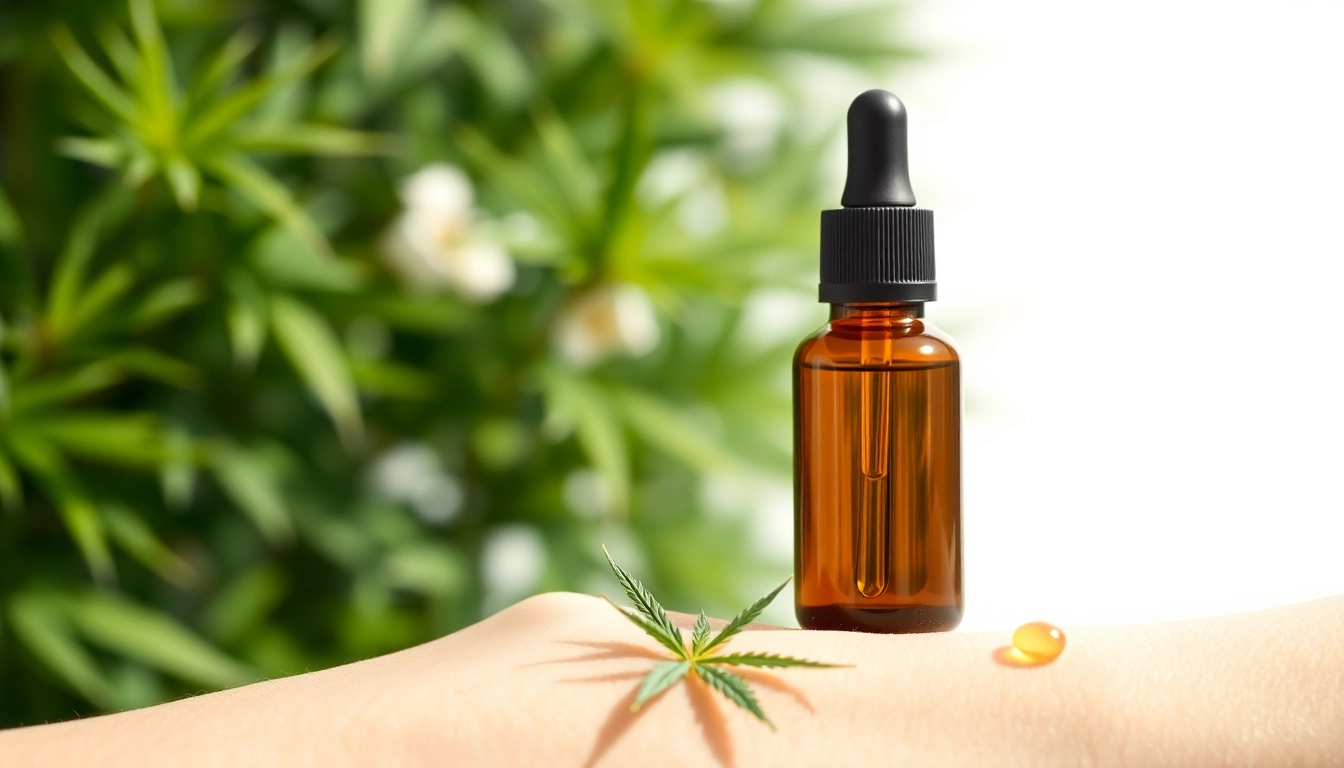
Understanding the Basics of CBD Oil for Skin
What is CBD Oil?
Cannabidiol (CBD) oil is a natural extract derived from the hemp plant, known for its therapeutic properties. Unlike THC, another well-known compound from cannabis, CBD does not produce psychoactive effects, meaning it doesn’t make users feel "high." This property has made CBD increasingly popular in various wellness sectors, especially in skincare. The oil is often infused into creams, serums, and lotions, capitalizing on its potential benefits for skin health. Many are exploring the efficacy of CBD oil for skin, seeking to improve conditions like dryness, inflammation, and acne.
History of CBD Oil in Skin Care
The use of hemp for medicinal purposes dates back thousands of years. Historically, various cultures have utilized hemp extracts for their healing properties. However, the modern resurgence of CBD in skincare can be traced to increasing studies demonstrating its anti-inflammatory and antioxidant effects. As consumers become more aware of holistic treatments for skin issues, the demand for CBD-infused skincare products has grown. This trend has led to a proliferation of products claiming benefits ranging from relief for dryness to acne treatment.
How CBD Oil Works on the Skin
CBD interacts with our skin through the endocannabinoid system, which plays a role in regulating various processes, including inflammation and pain. This system consists of receptors located throughout the body, including the skin. CBD may impact these receptors, helping to reduce inflammatory responses, promote hydration, and support overall skin health. Users have reported a variety of benefits, suggesting that products containing CBD oil may indeed have a balancing effect on skin conditions.
Potential Benefits of CBD Oil for Skin
Anti-Inflammatory Properties
One of the standout features of CBD is its ability to combat inflammation. In cases of conditions such as acne, eczema, and psoriasis, inflammation can exacerbate symptoms, leading to redness, swelling, and discomfort. Research indicates that CBD oil can help quell these inflammatory processes, providing relief to those suffering from irritated skin. It's theorized that CBD interacts with the body's inflammatory pathways, thereby reducing the severity of these conditions.
Hydration and Moisture Retention
CBD oil is also praised for its moisturizing properties. Unlike many standard oils that can clog pores, CBD works to hydrate the skin without leaving a greasy residue. It may improve barrier function, which is essential for trapping moisture within the skin. Dry skin can lead to various issues, from irritation to premature aging, making CBD an appealing ingredient for those seeking to maintain supple and healthy skin.
Acne Treatment and Control
Acne is one of the most prevalent skin conditions, affecting people of all ages. CBD oil's anti-inflammatory and antibacterial properties make it a promising treatment option. Research has indicated that CBD can help regulate oil production, minimize sebum levels, and reduce the inflammation associated with acne formation. Additionally, its soothing effects may prevent acne scars by promoting better healing of the skin.
Choosing the Right CBD Oil for Skin Products
Ingredient Transparency and Sourcing
When choosing CBD oil products for skin care, ingredient transparency is paramount. Consumers should look for brands that provide clear information about the sourcing of their hemp and the purity of their extracts. Organic, non-GMO hemp is preferable, as it indicates that the plants were grown without harmful pesticides or chemicals, which is crucial for skin application.
Types of CBD Oil Formulations
CBD products come in various formulations, including full-spectrum, broad-spectrum, and isolate. Full-spectrum products contain all cannabinoids, terpenes, and flavonoids from the plant, which can enhance therapeutic effects through the “entourage effect.” Broad-spectrum products contain multiple cannabinoids but no THC, while isolates are pure CBD with no other compounds. Understanding these differences can help consumers choose a product that aligns with their specific needs.
Reading Labels and Product Claims
Labels on CBD products can be misleading if not read carefully. Look out for third-party testing results, which indicate the product's purity and confirm that it contains the mentioned levels of CBD. Additionally, be wary of product claims that are too good to be true. Authentic CBD products should offer realistic expectations based on evidence rather than extravagant promises.
How to Use CBD Oil for Skin Effectively
Application Tips and Best Practices
When using CBD oil for skin care, consider starting with a patch test to check for any allergic reactions or sensitivities. After confirming compatibility, apply a small amount of oil or cream to the affected area. For optimal results, ensure the skin is clean and exfoliated to enhance absorption. Regular use often yields the best results, so incorporate it into your daily skincare routine.
Combining CBD Oil with Other Ingredients
CDB oil can be effectively combined with other beneficial skincare ingredients. For instance, pairing it with hyaluronic acid can amplify hydration results, while vitamin C may enhance its antioxidant effects. When blending products, ensure that all ingredients are compatible to avoid adverse reactions, particularly for sensitive skin types.
Frequency and Dosage Recommendations
Determining the frequency and dosage of CBD oil application largely depends on the individual's skin type and the specific condition being treated. For general skin maintenance, applying CBD-infused products once or twice daily may be sufficient. However, those with more severe conditions may require more frequent applications or higher concentrations, subject to professional advice.
Addressing Concerns and Misconceptions about CBD Oil for Skin
Side Effects and Allergies
While CBD is generally considered safe, some individuals may experience side effects, including redness, itching, or even more severe allergic reactions. Always consult with a healthcare provider before introducing new products into your skincare routine, especially for those with underlying skin conditions. Tracking any changes in the skin after using CBD products can help determine compatibility.
Legal Status and Regulations
The legal status of CBD can vary by region. In many places, CBD derived from hemp is legal, provided it contains less than 0.3% THC. However, users should verify local laws and regulations to ensure compliance when purchasing or using CBD products. It is essential to stay informed about changing laws to avoid any legal complications.
Burning Questions Answered
Many common questions about CBD oil for skin remain, such as its effectiveness and potential interactions with other products. While ongoing research continues to demonstrate the benefits of CBD, results may vary among individuals. Ultimately, it’s beneficial for consumers to approach CBD oil as a complementary treatment rather than a sole solution for skin issues.