
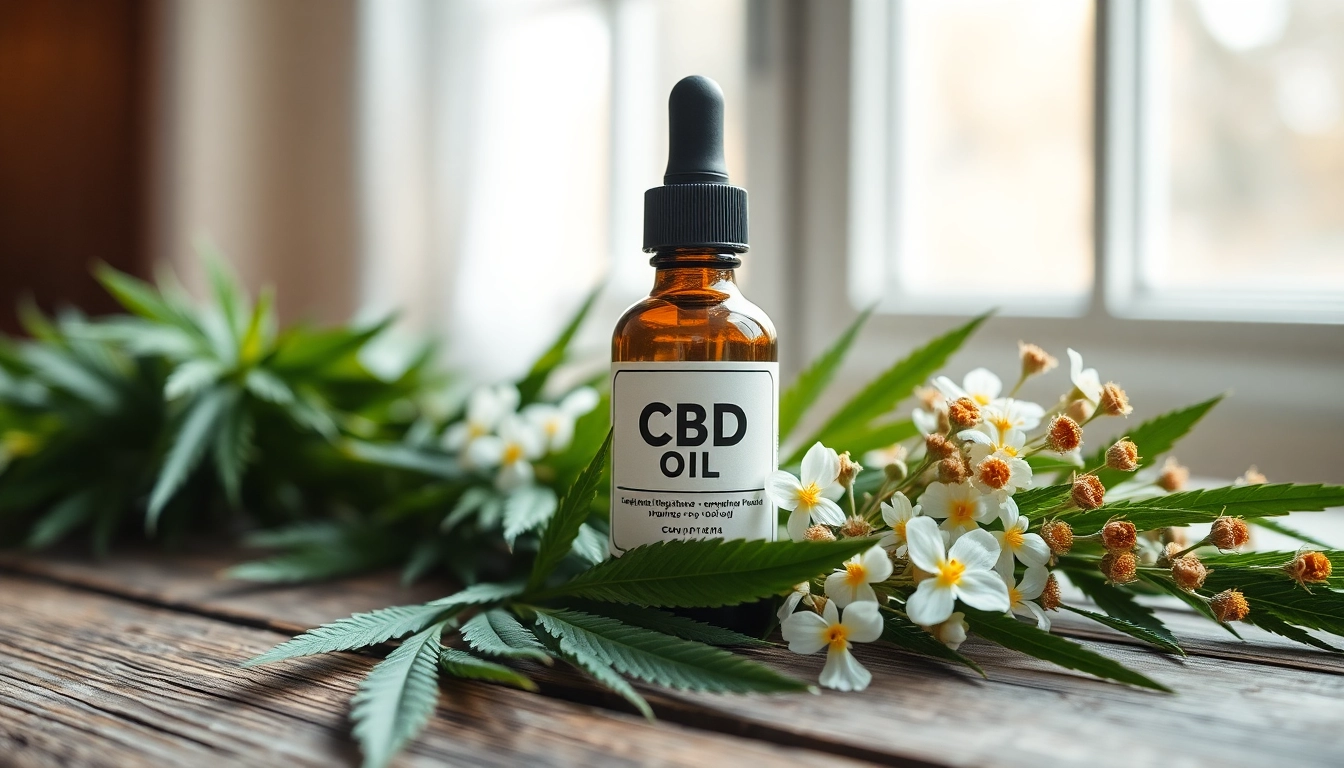
Introduction to CBD Oil
Cannabidiol, commonly known as CBD Oil, has exploded in popularity in recent years. This natural compound, derived from cannabis plants, has garnered attention for its potential health benefits and applications. In this article, we will dive deep into CBD Oil, exploring its definitions, sources, benefits, risks, and future prospects in the health and wellness industry.
What is CBD Oil?
CBD Oil is a concentrated liquid extract from cannabis plants that contains significant amounts of cannabidiol. Unlike its more famous counterpart, tetrahydrocannabinol (THC), CBD is non-psychoactive, meaning it does not produce the "high" usually associated with cannabis. This distinction makes CBD Oil an attractive option for individuals seeking the potential therapeutic benefits without the mind-altering effects. CBD interacts with the body's endocannabinoid system, which plays a crucial role in regulating many physiological processes, including mood, pain perception, and immune response.
History and Source of CBD Oil
The use of cannabis plants for medicinal purposes dates back thousands of years, with ancient cultures employing them for various ailments. In the 20th century, however, legal restrictions and stigma surrounding cannabis led to decreased research and use. The increased interest in alternative medicine and natural supplements prompted a revival of interest in marijuana and its compounds. CBD, specifically, received the scientific community's attention in the early 2000s, leading to a slew of studies that explored its health benefits and safety. Presently, CBD is derived mostly from industrial hemp, a variety of cannabis cultivated to have minimal THC content yet rich in CBD.
The Growing Popularity of CBD Oil
The past decade has seen unprecedented growth in the CBD market, fueled by changing public perceptions, increasing legalization, and numerous reports of beneficial health effects. From oils, tinctures, and capsules to skincare products and edibles, CBD is now ubiquitous across various industries, notably wellness and beauty. The rise of social media and influencers has also played a significant role in educating consumers about CBD Oil and its potential benefits, driving considerable demand.
Benefits of CBD Oil
Health Benefits Supported by Research
Research surrounding CBD Oil has built a robust foundation for its purported health benefits. Some of the most well-studied advantages include:
- Pain Relief: Studies suggest that CBD may reduce chronic pain by impacting endocannabinoid receptor activity in the brain and immune system, leading to decreased inflammation.
- Anxiety and Depression Management: Preliminary research indicates CBD has the potential to reduce anxiety and improve mood by interacting with serotonin receptors in the brain.
- Anti-Seizure Properties: The FDA has approved a CBD-based medication for treating certain types of epilepsy, highlighting its effectiveness in controlling seizures.
- Neuroprotective Effects: Some research suggests CBD may provide neuroprotective benefits, potentially aiding conditions such as Alzheimer's and Multiple Sclerosis.
- Anti-Inflammatory: CBD is believed to have anti-inflammatory properties, making it a sought-after option for conditions characterized by inflammation.
Potential Risks and Side Effects
While many people tolerate CBD Oil well, it is not without potential risks and side effects. Some reported side effects include:
- Drowsiness and fatigue
- Impaired cognitive function
- Changes in appetite and weight
- Digestive issues
It is essential to note that CBD can interact with other medications, which can lead to complications. Individuals should consult their healthcare provider before starting CBD Oil, especially if they are taking other medications or have underlying health conditions.
Common Uses of CBD Oil
CBD Oil is used for various purposes, reflecting its growing acceptance in the wellness community. Some common uses include:
- Management of chronic pain and discomfort
- Reduction of anxiety and stress levels
- Improvement of sleep quality
- Support for skin health and the treatment of acne
- Enhancement of overall wellness and mood stabilization
How to Choose Quality CBD Oil
Understanding Labels and Ingredients
Navigating the CBD market can be overwhelming due to the variety of products available. Understanding labels and ingredients is crucial for selecting a quality product. Look for:
- Jam-packed product labeling that includes the CBD content per serving.
- Full disclosure of ingredient sources, with information about whether they have been sourced from organic hemp.
- Avoidance of artificial additives and unnecessary fillers.
The Importance of Third-Party Testing
Reputable CBD brands often employ third-party laboratories to test their products for purity and potency. These independent tests help ensure that consumers receive a product free from contaminants like pesticides, heavy metals, and solvents, as well as verifying the CBD concentration. Always request or look for a Certificate of Analysis (COA) for the product being purchased.
Comparing Product Types: Full-Spectrum vs. Isolate
Understanding the differences between full-spectrum and CBD isolate can help consumers make informed decisions. Full-spectrum CBD Oil contains a wide range of cannabinoids and terpenes, providing an "entourage effect" that amplifies the potential therapeutic benefits. In contrast, CBD isolate is the purest form of CBD, stripped of all other compounds, making it a preferred choice for those seeking to avoid THC entirely.
How to Use CBD Oil Effectively
Dosage Guidelines for New Users
Since precise dosages vary by individual based on factors like body weight, metabolism, and the condition being treated, new users should start with a low dose. A general guideline is to begin with 5-10 mg of CBD daily and gradually increase it until the desired effect is achieved. Monitoring personal responses to CBD can help tailor the dosage effectively.
Methods of Consumption
CBD Oil can be consumed in various ways, including:
- Sublingual: Placing drops of oil under the tongue for faster absorption.
- Ingesting: Adding oil to food or beverages, though this method may take longer to take effect.
- Topical Application: Applying CBD-infused creams or lotions directly to the skin for localized relief.
Each method has its benefits and effectiveness based on personal preferences and the intended use.
Combining CBD Oil with Other Wellness Practices
Many users find that combining CBD Oil with other wellness practices—such as mindfulness meditation, yoga, and regular exercise—can enhance its benefits. Establishing a holistic routine that incorporates various health practices may lead to improved outcomes in both physical and mental well-being.
The Future of CBD Oil in Health and Wellness
Emerging Research and Trends
The CBD market is continually evolving, with ongoing research delving deeper into the compound's therapeutic potential. New studies focus on exploring its efficacy for various conditions and understanding the overall safety profile. The findings may lead to more nuanced recommendations and innovative products tailored to specific health needs.
Regulatory Landscape for CBD Oil
As CBD becomes more integrated into mainstream health and wellness, it is crucial to keep abreast of the changing regulatory landscape. Countries and states are continually refining their hemp and CBD policies, impacting manufacturing standards, labeling requirements, and distribution methods. Staying informed about local laws is essential for consumers and businesses alike.
How CBD Oil Fits into Holistic Health Approaches
As more individuals adopt holistic health principles, CBD Oil is increasingly viewed as a complementary therapeutic option. It accentuates a balanced lifestyle that encompasses physical, emotional, and mental health. Educating consumers about the multiple uses and benefits of CBD can widen its appeal and acceptance in alternative medicine circles.
In conclusion, CBD Oil has emerged as a transformative natural remedy with wide-ranging applications and potential health benefits. As research continues to unfold and public perception shifts, the future of CBD Oil within health and wellness looks bright. Understanding its uses, benefits, and risks can empower individuals to make informed choices that align with their health and wellness goals.