
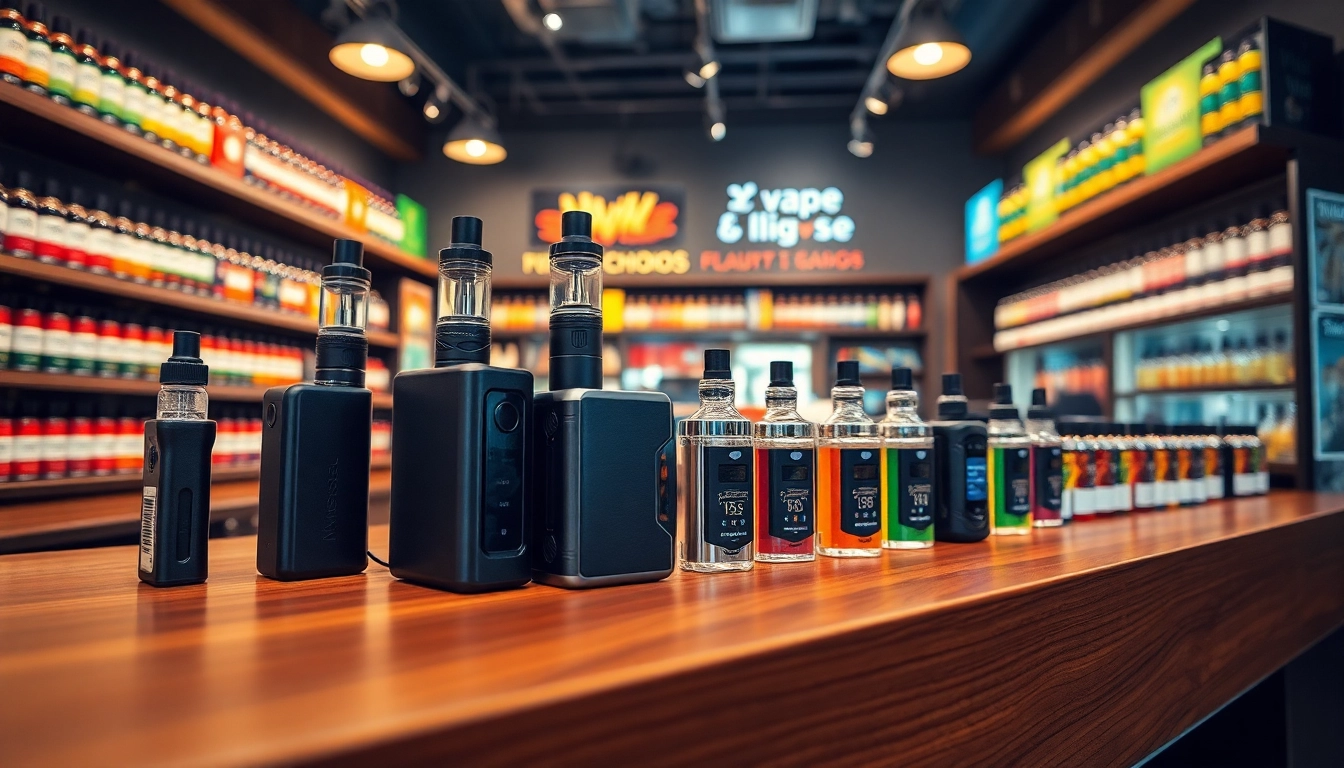
Understanding Vape & E-Liquids
Defining Vape & E-Liquids
Vaping has become a popular alternative to traditional smoking, appealing to various demographics from smokers seeking alternatives to curious newcomers. Central to the experience of vaping are Vape & E-Liquids, which are liquid solutions that produce vapor when heated. They typically consist of a blend of propylene glycol (PG), vegetable glycerin (VG), flavorings, and often nicotine. Understanding what goes into these liquids is essential for both safety and enjoyment when engaging in this activity.
The Science Behind Vaping
Vaping involves the use of an electronic device, commonly known as a vape or e-cigarette. These devices work by heating e-liquids to a temperature that converts the liquid into vapor. The key components of e-liquids include:
- Propylene Glycol (PG): A colorless and odorless liquid that absorbs moisture. It is commonly used as a base in many e-liquids due to its ability to carry flavor well.
- Vegetable Glycerin (VG): A thicker and sweeter liquid derived from plant oils. VG contributes to the vapor production and provides a smoother throat hit.
- Flavorings: Concentrated food-grade flavorings designed specifically for vaping. These can range from fruity to dessert-inspired, creating a wide profile of options for users.
- Nicotine: An optional ingredient available in various strengths, allowing users to adjust their intake according to preference.
Types of Vape & E-Liquids Available
The diversity in e-liquids is distinguished by various factors, including nicotine content, flavor profiles, and VG/PG ratios. These characteristics cater to a wide range of preferences:
- Regular E-Liquids: Typically available in multiple nicotine strengths, these are suitable for both beginners and experienced vapers.
- Nicotine Salts: Containing smoother nicotine formulations that deliver a higher nicotine concentration without a harsh throat hit, perfect for those transitioning from smoking.
- CBD E-Liquids: Infused with CBD, these products allow users to enjoy the potential benefits of cannabidiol while vaping.
- DIY E-Liquids: For the more adventurous, creating personalized blends by mixing various flavorings, nicotine, and base liquids can be a rewarding experience.
Choosing the Right Vape Device for Your E-Liquids
Compatibility with Vape & E-Liquids
Choosing the right vape device is crucial to the overall vaping experience. Compatibility with chosen e-liquids ensures optimal performance and enjoyment. Key factors to consider include:
- Coil Resistance: Different e-liquids require different coil resistances. Higher VG liquids work best with sub-ohm devices, while higher resistance coils suit higher PG liquids.
- Device Type: Options range from sub-ohm tanks delivering high vapor production to mouth-to-lung (MTL) devices simulating traditional cigarettes. Matching device type to intended vaping style is essential.
Popular Vape Device Types
A variety of vape devices exist, each catering to different preferences and styles of vaping:
- Pod Systems: Compact and user-friendly devices, ideal for beginners or those seeking convenience.
- Tank Systems: These devices allow for customization, including adjustable wattage and interchangeable coils, offering a personalized vaping experience.
- Box Mods: More advanced devices that provide precision, power, and extensive customization, suitable for experienced users looking for more control over their vaping.
Maintenance and Care for Your Devices
Regular maintenance of vape devices not only extends their lifespan but also ensures a better vaping experience. Key steps in maintaining vape devices include:
- Cleaning: Regularly clean components, particularly tanks and mouthpieces, to avoid residue buildup.
- Coil Replacement: Coils should be changed based on usage frequency. Failing to do so can lead to burnt flavors and reduced vapor production.
- Battery Care: Proper charging practices and storage can prolong the life of vape batteries, ensuring safe and effective use.
Flavor Profiles in Vape & E-Liquids
Exploring Flavor Categories
Flavor is a critical aspect of the vaping experience, with options ranging across various categories, including:
- Fruity: Bright, refreshing flavors that mimic the taste of popular fruits.
- Desserts: Indulgent flavors inspired by sweets, from cookies to cakes, appealing to those with a sweet tooth.
- Menthol & Mint: Cooling flavors that provide a refreshing sensation, perfect for a crisp vaping experience.
- Tobacco: Varieties that emulate traditional cigarette flavors, catering to those craving the familiar taste without the smoke.
The Role of Nicotine Levels
Nicotine content is a vital consideration when selecting e-liquids. Options vary from 0 mg (nicotine-free) to high concentrations suitable for heavy smokers. Understanding personal preferences and health considerations is crucial for determining the right nicotine level. This choice can significantly affect throat hit, satisfaction, and overall vaping pleasure.
Combining Flavors for a Unique Experience
Blending different flavors can yield unique experiences, allowing users to customize their vaping journey. Popular combinations include:
- Fruity Menthol: Combining the sweetness of fruits with a menthol kick for a refreshing finish.
- Dessert and Coffee: A rich indulgence that encompasses the warmth of desserts mixed with the robustness of coffee flavors.
- Tobacco and Vanilla: For a creamy and smooth experience, blending traditional tobacco with sweet vanilla enhances taste complexity.
Health Considerations When Using Vape & E-Liquids
Potential Risks of Vaping
While vaping may be viewed as a less harmful alternative to smoking traditional cigarettes, it is vital to be aware of potential risks associated with e-liquids:
- Chemical Exposure: Inhaling vapor can expose users to substances like diacetyl, which is linked to lung disease.
- Nicotine Dependency: Nicotine is addictive, and even lower nicotine levels can contribute to dependency over time.
- Vaping-Related Illnesses: Reports of vaping-related lung illnesses have raised awareness about the potential health effects, emphasizing the need for caution.
Comparing Vaping to Traditional Smoking
Comparative studies suggest that vaping may be less harmful than traditional smoking, primarily due to the lack of tar and combustion-related toxins produced in cigarette smoke. However, this does not imply that vaping is entirely risk-free. A holistic understanding of these differences can help users make informed choices.
Research and Safety Guidelines
Evaporating wellness trends dictate a responsible approach to vaping. Users should prioritize quality products from reputable sources to ensure the safety and integrity of e-liquids. Safety guidelines often emphasize:
- Choosing e-liquids that are tested for harmful substances.
- Understanding regulations in local jurisdictions regarding vaping products.
- Staying up to date with ongoing research regarding health implications and safety.
Where to Buy Quality Vape & E-Liquids
Choosing Reputable Vendors
When purchasing Vape & E-Liquids, choosing reputable vendors is essential to ensure product safety and quality. Look for vendors who provide:
- Transparency in ingredient sourcing and lab testing.
- Customer reviews and ratings to gauge product satisfaction.
- Clear labeling regarding nicotine content and potential allergens.
Understanding Pricing and Quality
Quality e-liquids may come at a higher price point compared to inferior products. However, cheaper alternatives often compromise on the quality of ingredients. Understanding the relationship between price and quality is essential for making an informed choice and ensuring a pleasurable vaping experience.
Online vs. Retail Purchases
Purchasing e-liquids online can offer a more extensive selection and competitive pricing. However, it’s crucial for buyers to ensure that they’re buying from trusted and verified websites. Retail purchases allow for immediate access and the chance to ask questions, but they may not always carry the extensive selection available online. Balancing the convenience and availability of both options is key to finding the best products for one’s preferences.